
13 Types of Jade Plants: Your Succulent Identification Guide
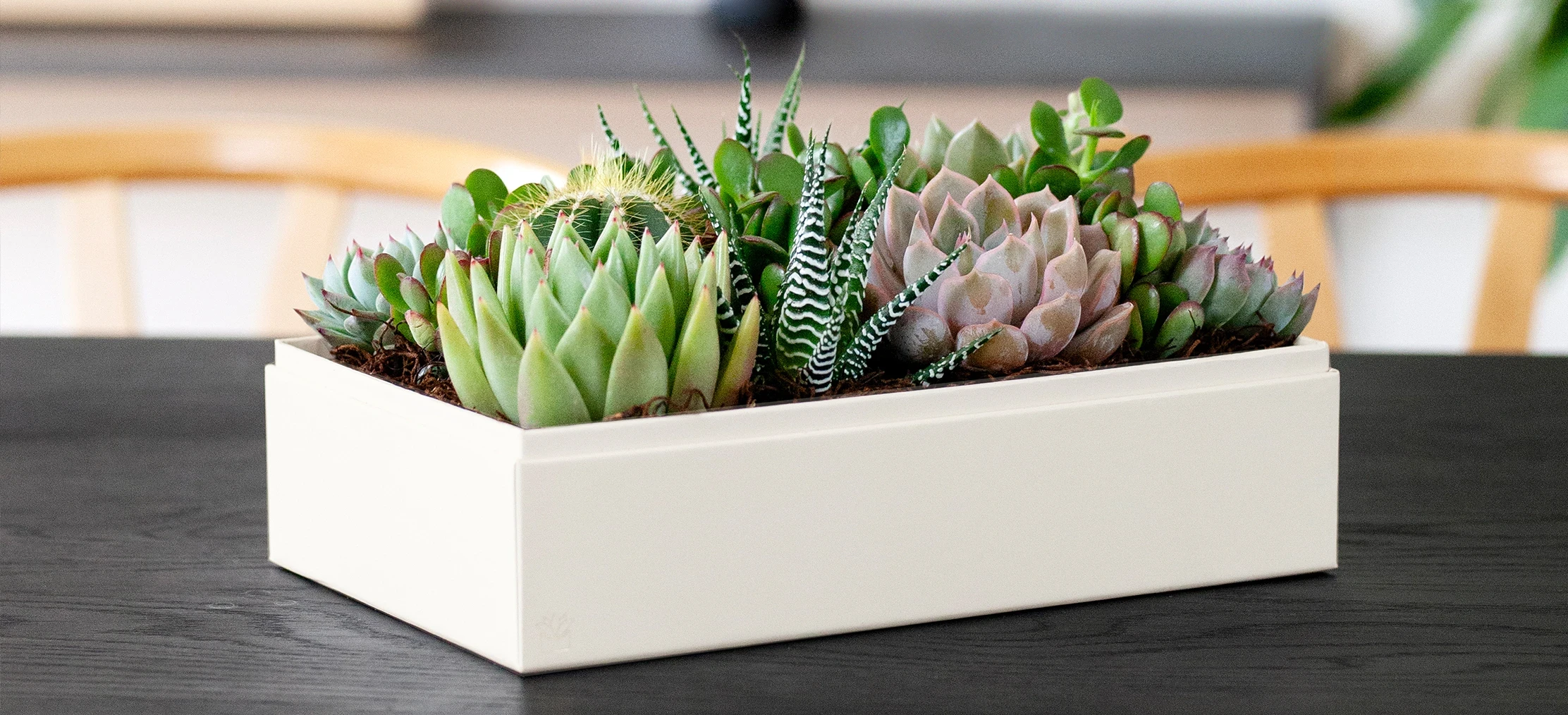
Jade plants have captured hearts worldwide with their charming, coin-shaped leaves and tree-like appearance. But many plant lovers wonder: is jade a succulent? The answer is a resounding yes! These beloved houseplants belong to the succulent family and offer incredible variety for indoor gardening enthusiasts. Whether you're just starting your plant journey or looking to expand your collection, understanding the different types of jade plants will help you choose the perfect green companion for your space.
Jade plants are absolutely succulents, belonging to the Crassulaceae family. This classification makes them cousins to other popular succulents like echeveria and sedum. The scientific name Crassula ovata tells us everything we need to know about their succulent nature.
Several features confirm that jade plants are genuine succulents:
Water storage capability: Their thick, fleshy leaves store water for drought periods
Crassulaceae family membership: They belong to the stonecrop family of succulents
Drought tolerance: They thrive with minimal watering
Woody stems with succulent tissue: Unlike typical trees, their stems contain water-storing cells
These adaptations developed over thousands of years in their native South African habitat. The hot, dry climate shaped their ability to survive long periods without water.
The classic jade plant, Crassula ovata, originates from South Africa and Mozambique. People often call it the money tree, good luck plant, or friendship tree. In its natural habitat, it grows as a shrub reaching up to six feet tall. Indoor jade plants typically stay much smaller, making them perfect indoor succulents for any home.
The world of jade plants offers amazing variety. Each type brings unique colors, shapes, and growth patterns to your indoor garden. Let's explore thirteen stunning varieties that make excellent easy to grow succulents.
1. Standard Jade Plant (Crassula ovata): The classic variety features glossy, oval leaves with red edges when stressed. It's the most common type and perfect for beginners.
2. Jade Plant 'Minima': This compact variety stays small, making it ideal for desks or small spaces. The leaves are proportionally smaller than the standard variety.
3. Variegated Jade (Crassula ovata 'Variegata'): Beautiful cream and green striped leaves make this variety a showstopper. It needs slightly more light to maintain its variegation.
4. Sunset Jade (Crassula ovata 'Hummel's Sunset'): This variety displays stunning yellow and red coloring, especially in bright light. The leaves develop beautiful sunset hues.
5. Gollum Jade (Crassula ovata 'Gollum'): Named after the famous character, this variety has tubular leaves with red tips. It's one of the most distinctive types of jade plants.
6. Hobbit Jade (Crassula ovata 'Hobbit'): Similar to Gollum jade but with curled leaf edges. The leaves look like tiny green trumpets.
7. Silver Jade (Crassula arborescens): Features silvery-blue leaves with red edges. It grows larger than standard jade and has a more tree-like appearance.
8. Ripple Jade (Crassula arborescens undulatifolia): The wavy leaf edges give this variety its name. The silvery leaves have beautiful rippled margins.
9. Red Pagoda (Crassula capitella): This stacking variety forms tower-like structures. The leaves turn bright red in strong light.
10. Campfire Crassula (Crassula capitella 'Campfire'): Known for its intense red coloring, this variety looks like flames when stressed with bright light.
11. Baby Jade (Portulacaria afra): Technically not a true jade but often called one. It has smaller, rounder leaves and faster growth.
12. Variegated Elephant Bush (Portulacaria afra 'Variegata'): Features cream and green variegated leaves on red stems. It's actually more closely related to purslane than jade.
13. Tricolor Jade (Crassula ovata 'Tricolor'): This rare variety displays green, cream, and pink coloring. It's highly sought after by collectors.
Proper jade plant care ensures your plants thrive for decades. These easy to grow succulents have simple needs once you understand their preferences.
The "soak and dry" method works best for succulent watering. Water thoroughly until it drains from the bottom, then wait until the soil completely dries before watering again. This usually means watering every 1-2 weeks in summer and less frequently in winter.
Signs of overwatering include:
Soft, mushy leaves
Yellow or translucent leaves
Musty smell from soil
Leaf drop
Underwatering signs include:
Wrinkled, deflated leaves
Leaves falling off easily
Extremely dry, hard soil
Jade plants love bright, indirect light. Place them near south or west-facing windows with sheer curtains. They can handle some direct morning sun but may burn in intense afternoon light. If your home lacks natural light, LED grow lights work wonderfully for houseplant care.
Proper succulent soil prevents the most common jade plant problems. Well-draining soil is absolutely essential for healthy root development.
Commercial succulent soil mixes work well, but you can make your own by combining:
2 parts potting soil
1 part coarse sand
1 part perlite or pumice
Choose pots with drainage holes and avoid decorative pots without drainage. Terra cotta pots work especially well because they allow soil to dry faster.
Repot jade plants every 2-3 years or when they become root-bound. Spring is the best time for repotting. Choose a pot only slightly larger than the current one, as jade plants prefer being slightly pot-bound.
Succulent propagation with jade plants is incredibly rewarding. These plants propagate easily from both leaves and stem cuttings.
Gently twist healthy leaves from the stem, ensuring the entire leaf comes off cleanly. Let leaves callus for 2-3 days, then place them on succulent soil. Mist lightly every few days until roots and baby plants appear, usually within 2-4 weeks.
Cut 3-4 inch stems with clean scissors. Let cuttings callus for a few days, then plant in succulent soil or place in water. Roots typically develop within 2-3 weeks. This method is faster and more reliable than leaf propagation.
Yes, jade plants are true succulents belonging to the Crassulaceae family. Their thick, water-storing leaves and drought tolerance confirm their succulent classification.
Jade plants can live 50-100+ years with proper care. Many become family heirlooms passed down through generations, growing into impressive tree-like specimens.
Yes, jade plants require well-draining succulent soil to prevent root rot. Regular potting soil retains too much moisture for these drought-adapted plants.
Jade plants are low-maintenance because they tolerate neglect, require minimal watering, adapt to various light conditions, and rarely need fertilizing. They're perfect for busy lifestyles.

Sign up for our newsletter for updates.
