
9 Stunning Succulent Varieties to Brighten Your Home
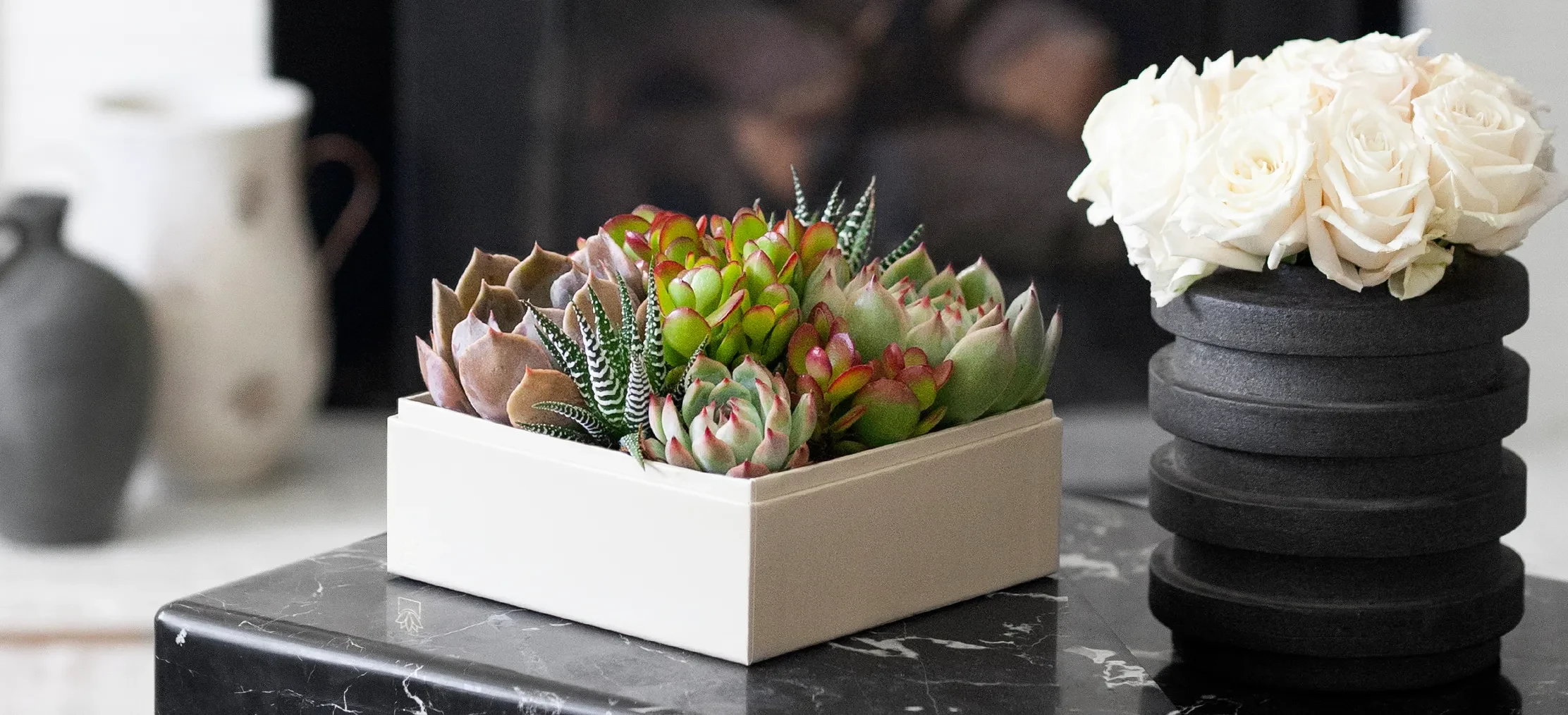
Succulent plants have become the perfect solution for busy plant lovers who want beautiful greenery without the daily watering routine. These amazing plants store water in their thick, fleshy leaves and stems, making them incredibly forgiving and perfect for any home. Whether you're just starting your plant journey or looking to expand your collection, understanding what succulent plants are and discovering stunning varieties can transform your living space into a vibrant oasis.
Succulent plants are specialized drought-resistant plants that store water in their thick, fleshy leaves, stems, or roots. Think of them as the camels of the plant world - they've evolved amazing ways to survive in dry conditions by hoarding water for tough times.
These remarkable plants use a special process called CAM photosynthesis. Unlike regular plants that open their pores during the day, succulents open theirs at night to collect carbon dioxide. This smart trick helps them lose much less water through evaporation.
You can easily spot succulents by their distinctive features:
Thick, plump leaves or stems that feel firm to the touch
Waxy or fuzzy surface coatings that help reduce water loss
Compact growth patterns like rosettes or clustering forms
Shallow root systems designed to quickly absorb any available moisture
Popular examples include Aloe vera with its healing gel-filled leaves, Jade plants that look like tiny trees, and colorful Echeveria that form perfect flower-like rosettes. These plants originally come from deserts and dry regions around the world, but they've adapted beautifully to indoor living.
Understanding the different types of succulents helps with both succulent identification and proper care. These plants store water in three main ways, creating distinct categories that are easy to recognize.
Leaf succulents store water in their thick, fleshy leaves. These include popular varieties like Echeveria, Jade plants, and Aloe. Their leaves often feel firm and heavy, and they may have a waxy coating that gives them a slightly shiny appearance.
Stem succulents keep their water reserves in thick, often columnar stems. Many cacti fall into this category, along with some Euphorbias. These plants might have small leaves or no leaves at all, relying on their green stems for photosynthesis.
Root succulents store water underground in thick, bulbous roots or tubers. These are less common as houseplants but include some fascinating varieties that can survive extreme drought conditions.
Most succulents share common features that make them perfect for indoor growing. They prefer bright light, need excellent drainage, and can handle some neglect. Their compact size and stunning variety of colors, textures, and forms make them ideal for creating beautiful arrangements in any space.
Ready to discover some amazing indoor succulents that will brighten your home? These nine varieties offer different colors, textures, and growth habits, making it easy to create a diverse and beautiful collection.
This gorgeous succulent forms perfect rosettes with blue-green leaves that develop stunning purple-pink edges in bright light. Echeveria 'Lola' stays compact, reaching about 6 inches across, making it perfect for windowsills or desk displays.
Care level: Beginner-friendly
Light needs: Bright, indirect light with some direct morning sun
Special feature: Changes color based on light exposure
The Jade plant is often called the "money tree" and brings good luck according to feng shui. Its thick, oval leaves and tree-like growth pattern make it a stunning focal point. With proper care, Jade plants can live for decades and grow quite large.
Care level: Very beginner-friendly
Light needs: Bright light, can handle some direct sun
Special feature: Develops red edges on leaves in bright light
Beyond its striking appearance with thick, pointed leaves arranged in rosettes, Aloe vera offers practical benefits. The gel inside its leaves soothes burns and skin irritation, making this both a beautiful and useful addition to your home.
Care level: Beginner-friendly
Light needs: Bright, indirect light
Special feature: Medicinal properties for skin care
This unique trailing succulent looks exactly like a string of green pearls cascading from its pot. It's perfect for hanging baskets or high shelves where its unusual form can be fully appreciated. Each "pearl" is actually a modified leaf designed for water storage.
Care level: Intermediate
Light needs: Bright, indirect light
Special feature: Fast-growing trailing habit, up to 3 feet long
The Zebra plant features thick, pointed leaves with distinctive white stripes that create a stunning zebra-like pattern. This compact succulent stays small and forms tight clusters, making it perfect for small spaces or succulent arrangements.
Care level: Beginner-friendly
Light needs: Bright, indirect light (avoid direct sun)
Special feature: Tolerates lower light better than most succulents
This trailing succulent creates stunning cascades of thick, blue-green leaves that overlap like scales on a tail. Burro's Tail can grow several feet long, creating dramatic displays in hanging planters or tall containers.
Care level: Intermediate
Light needs: Bright light with some direct sun
Special feature: Fragile leaves that drop easily but can propagate
These fascinating succulents look exactly like small stones or pebbles, which helps them hide from animals in their native habitat. Lithops come in various colors and patterns, and they produce beautiful daisy-like flowers once a year.
Care level: Advanced
Light needs: Very bright light
Special feature: Completely changes appearance during growth cycle
This succulent offers year-round color with small, bright flowers in red, pink, yellow, or white. The thick stems have thorns, giving it its common name, but the continuous blooms make it worth the careful handling.
Care level: Intermediate
Light needs: Bright light with direct sun
Special feature: Blooms almost continuously with proper care
The Panda plant features soft, fuzzy leaves with brown spots along the edges that look like little paw prints. This gentle succulent is safe around children and pets, making it perfect for family homes.
Care level: Beginner-friendly
Light needs: Bright, indirect light
Special feature: Soft, touchable texture that kids love
Proper succulent care is simpler than you might think. These hardy plants thrive with the right balance of light, water, and soil conditions. Understanding their basic needs will help your collection flourish for years to come.
Light requirements are crucial for healthy succulents. Most varieties need at least 6 hours of bright light daily. Place them near south or west-facing windows for best results. If natural light is limited, grow lights work wonderfully and can prevent stretching.
Succulent watering follows the "soak and dry" method. Water thoroughly until water drains from the bottom holes, then wait until the soil is completely dry before watering again. This usually means watering every 1-2 weeks, depending on your home's humidity and temperature.
The right succulent soil makes all the difference. Regular potting soil holds too much moisture and can cause root rot. Use a well-draining cactus and succulent mix, or create your own by mixing regular potting soil with perlite or coarse sand.
Temperature and humidity preferences are generally easy to meet indoors. Most succulents prefer temperatures between 65-75°F and low humidity. Avoid placing them near heating vents or air conditioners that create sudden temperature changes.
Common mistakes to avoid include overwatering (the number one killer of succulents), using pots without drainage holes, and placing plants in dark corners. Remember, it's better to underwater than overwater these drought-adapted plants.
Learning succulent propagation opens up endless possibilities for expanding your collection and sharing plants with friends. Most succulents propagate easily, making this an enjoyable and rewarding hobby.
Leaf propagation works for many varieties like Echeveria and Jade plants. Gently twist healthy leaves from the stem, let them dry for a few days until the cut end calluses over, then place them on top of succulent soil. Keep the soil lightly moist and watch for tiny roots and new plants to emerge.
Stem cutting techniques work well for branching succulents. Cut a healthy stem with clean, sharp scissors, let it dry for several days, then plant it in well-draining soil. The cutting will develop roots within a few weeks.
Division methods suit clustering varieties that produce offsets or "pups" around the base. Carefully separate these baby plants with their own root systems and pot them individually.
Timeline expectations vary by method and variety. Leaf propagation can take several weeks to months, while stem cuttings usually root within 2-4 weeks. Be patient and maintain consistent but not excessive moisture during the rooting process.
Best varieties for beginners to propagate include Jade plants, most Echeveria species, and Sedum varieties. These forgiving plants have high success rates and grow relatively quickly.
What does a succulent plant do?
Succulents store water in specialized tissues to survive drought conditions while providing air purification and low-maintenance beauty for homes. They also help improve indoor air quality by releasing oxygen and removing toxins.
What defines a succulent plant?
Plants with thick, fleshy parts that store water and use CAM photosynthesis to minimize water loss in arid conditions. This adaptation allows them to survive long periods without water.
Are succulents indoor plants only?
No, succulents can thrive both indoors and outdoors, requiring 6+ hours of direct sunlight and proper drainage regardless of location. Many varieties are cold-hardy and can survive outdoors year-round in appropriate climates.
What is the difference between a plant and a succulent?
Succulents are specialized plants with water-storing adaptations, while regular plants typically require consistent moisture and different care approaches. Succulents have evolved specific features like thick leaves and CAM photosynthesis.
What are succulent plants called?
Common names include "drought plants," "water-storing plants," or specific variety names like Aloe, Jade, or Echeveria. Some people also call them "fat plants" due to their thick, fleshy appearance.
What are succulent plants for kids?
Kid-friendly varieties include Panda Plants, Jade Plants, and Aloe Vera - safe, easy-to-care-for options perfect for teaching plant responsibility. These varieties are non-toxic and forgiving of irregular watering schedules.

Sign up for our newsletter for updates.
